Saint Paul homes get their water from the city, but a short drive north or east puts you in well country. In parts of Hugo, Lake Elmo, Forest Lake, Lino Lakes and other towns in Washington and Anoka counties, many houses pull water from a private well on their own lot. That gives you independence from a water bill, along with full responsibility for the equipment that delivers it.
Most well owners never think about the system until the shower sputters or the faucets go dry. This guide covers how a typical well setup works, the warning signs worth paying attention to, what water testing involves, and the point where a call to a plumber makes more sense than another trip to the electrical panel.
The short version
- A well system depends on a pump, a pressure tank and a pressure switch working together.
- Note your normal gauge readings so changes are easy to spot later.
- Rapid clicking usually means a pressure tank that has lost its air charge.
- Test for coliform bacteria every year, following Minnesota Department of Health guidance.
- Reset a tripped pump breaker once; if it trips again, leave it off and call us.
The three parts every well system relies on
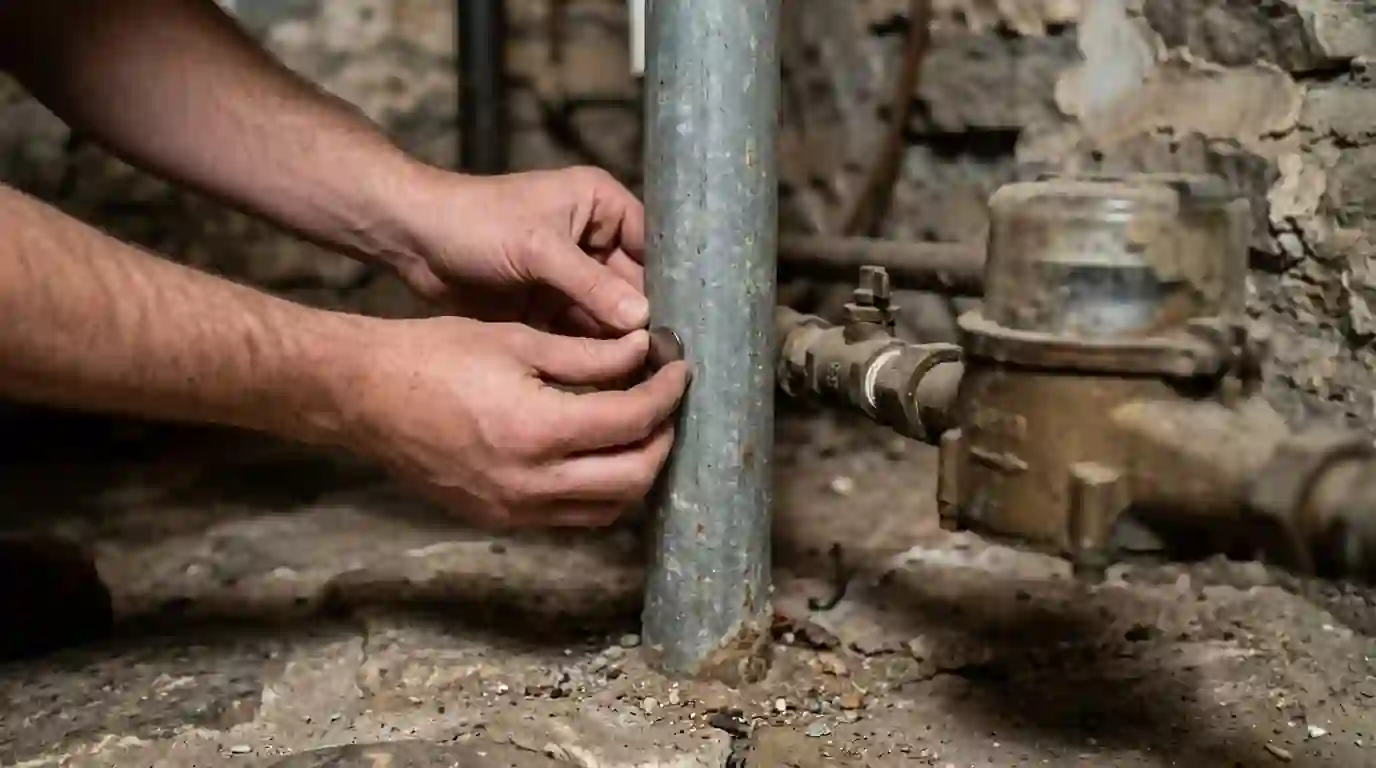
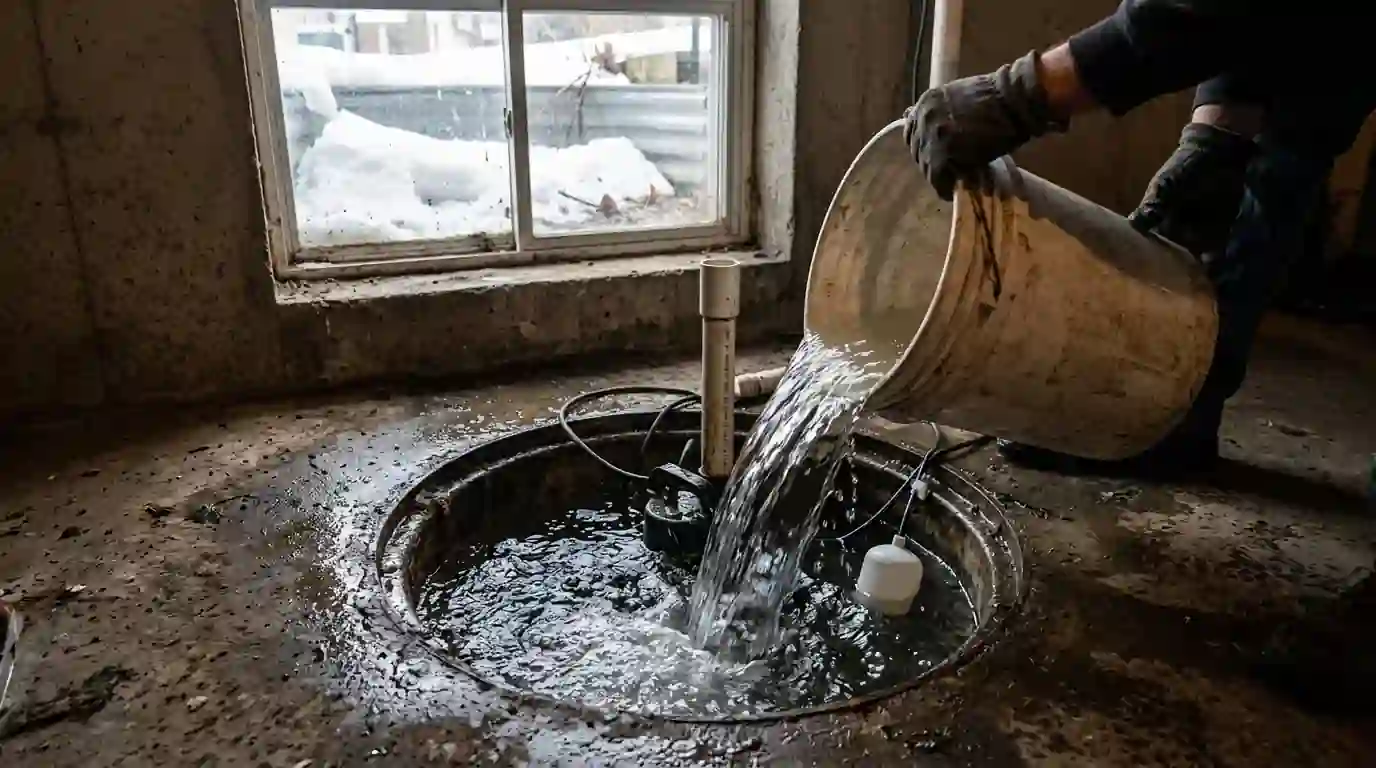
A home well setup has a pump, a pressure tank and a pressure switch. The pump lifts water from the aquifer. Most wells drilled in recent decades use a submersible pump hung deep inside the steel or plastic casing, wired to the house from the surface. Older or shallower wells sometimes use a jet pump that sits in the basement or a small pump house.
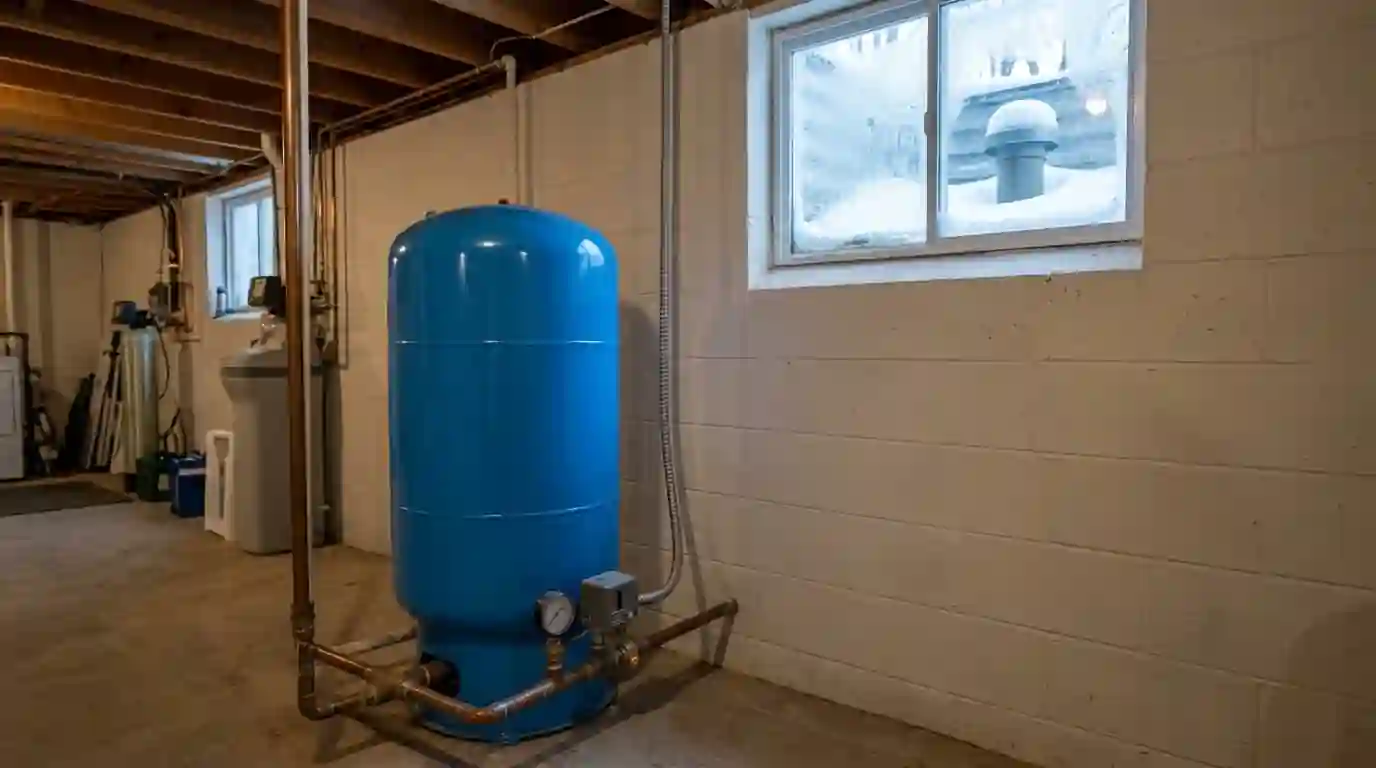
The pressure tank, usually a blue or gray cylinder in the basement, holds water under a cushion of compressed air. The pressure switch, a small box mounted on the plumbing near the tank, reads the pressure and turns the pump on when it drops and off when it climbs back up. Together they keep water flowing at steady pressure without the pump starting for every sip.
- Pump: lifts water from the well into the house
- Pressure tank: stores water under air pressure
- Pressure switch: starts and stops the pump
- Check valve: stops water from falling back down the well
- Pressure gauge: shows you what the system is doing
How to read the pressure gauge on your tank
The gauge near your pressure tank is the easiest way to understand your well. Open a faucet and watch it. The needle should drop slowly, the pump should start at the low setting, and the needle should climb steadily back to the high setting before the pump shuts off. Many homes use settings around 30 and 50, or 40 and 60, though yours may differ.
Write down the numbers you see on a normal day and tape the note near the tank. If something changes later, you'll know right away whether the cut-in or cut-out point moved, whether the needle bounces, or whether it never climbs back. That simple note makes troubleshooting much faster, both for you and for us when you describe it on the phone.
What short cycling sounds like and why it matters
Short cycling is when the pump clicks on and off every few seconds while water is running. You might hear the switch chatter in the basement, or notice the shower pressure pulse strong and weak. It's one of the most common well complaints we hear about, and it's worth taking seriously, because every start wears on the pump motor and the switch contacts.
The usual cause is a pressure tank that has lost its air charge. Over time air seeps out, or the rubber bladder inside the tank tears and water fills the space where air should be. With no cushion left, the tank stores almost nothing, so pressure falls the moment you open a tap. A leaking check valve or a clogged switch tube can cause the same thing.
Catching short cycling early often means a tank recharge or a new tank instead of a burned-out pump down the line.
Signs of trouble every well owner should know
Wells tend to give some warning before they quit completely. Pay attention to changes in how the water sounds, looks and flows, and to how often you hear the pump running. A system that seemed fine for years can start acting up after a dry summer, a power surge, or simply age.
If you lose water and you are on a well, check the breaker labeled pump or well first. Reset it once. If it trips again, leave it off and give us a ring rather than resetting it repeatedly. A motor or wire with a fault can be damaged further each time power hits it.
- No water, or water that fades out during a long shower
- Pump clicking on and off rapidly
- Air spitting or sputtering from faucets
- Sand, grit or cloudy water that wasn't there before
- A breaker for the pump that trips more than once
- A pump that runs even when nobody is using water
Testing your well water: general guidance from the state
Unlike city water, a private well isn't tested by a utility. That part is on the homeowner. The Minnesota Department of Health generally recommends that private well owners test for coliform bacteria every year, and test for nitrate and some other contaminants, such as arsenic and manganese, on a regular schedule. Their website explains which tests to do and how often.
It's also smart to test after anything that could let surface water reach the well, such as spring flooding near the wellhead, a damaged well cap, or a repair that opened the casing. Accredited testing labs supply sample bottles and instructions. We handle the pumps, tanks and plumbing, and we'll tell you when a repair should be followed by a water test before you drink from the tap again.
Winter, hard water and other local wear on wells
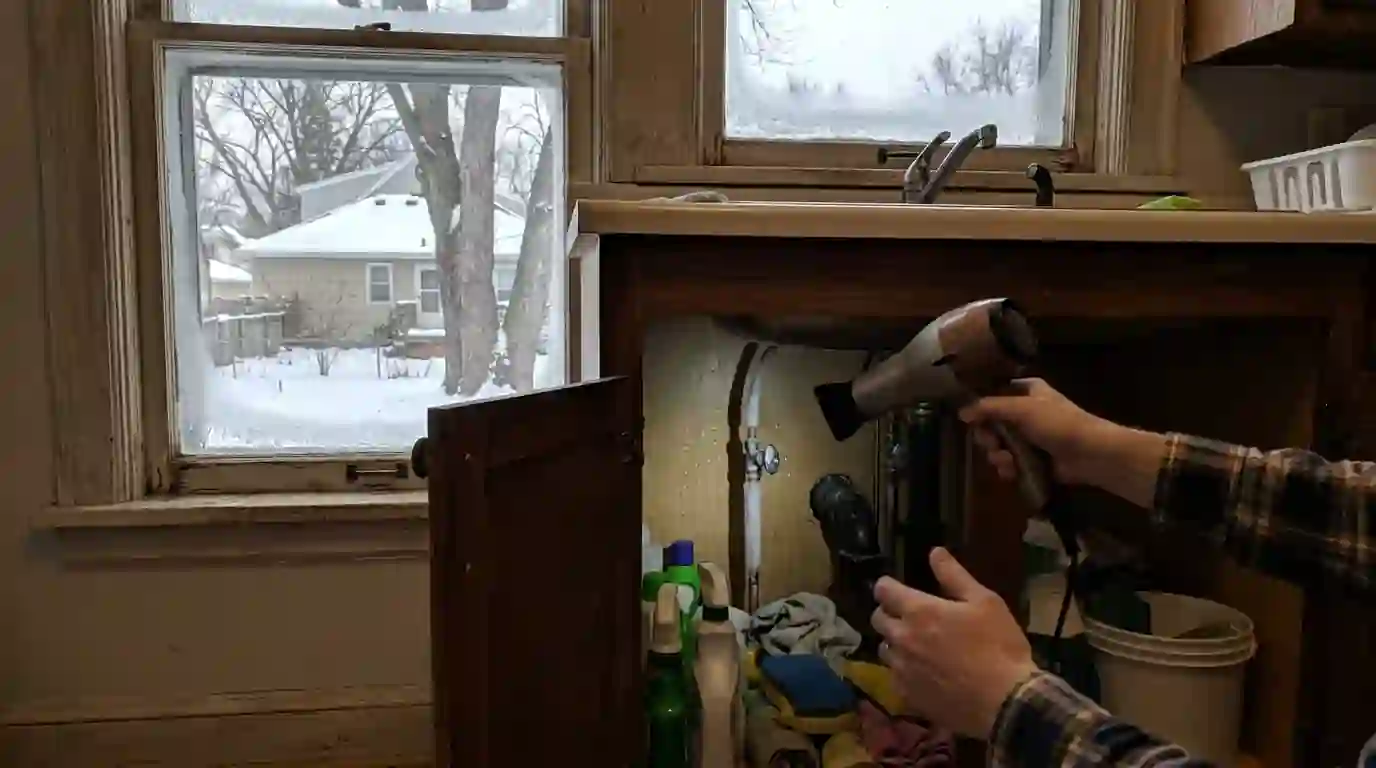
Minnesota winters are tough on any equipment that sits in a cold spot. Jet pumps and tanks in pump houses, unheated garages or crawlspaces can freeze during a long cold snap, and the buried line from the well to the house has to stay below frost to keep flowing. If a pump house has a heater or heat lamp, check that it's working before winter sets in.
Many homes in Washington and Anoka counties also have hard water. Over time minerals build up in the small tube under the pressure switch, in fittings and in the tank connection. That scale can make the switch behave erratically. A water softener protects the rest of the house, but the pump and switch sit before it, so they still see the hard water.
When to stop troubleshooting and call us
Checking the breaker, reading the gauge and noticing changes are good homeowner steps. Opening the well cap, pulling wires, adjusting the switch springs with the power on, or trying to pull a pump are not. Well systems run on 230 volts in most homes, and a submersible pump hangs on heavy pipe that takes the right equipment to lift safely.
Call (651) 215-2087 if the water is out, the pump cycles constantly, the breaker keeps tripping, or the water suddenly looks or smells different. The line is answered 24/7. Typical ranges around Saint Paul run about $213 to $367 for diagnosis with a pressure switch replacement, and more for a tank or pump. We confirm the price after testing the system.
Need a hand with this? Call (651) 215-2087. The line is answered 24/7.