Drain cleaning in Saint Paul, MN
A sink that holds water, a tub that drains in slow motion, or a shower you stand in ankle deep is a clog in a branch drain. We clear it fully, not just enough to get by.
- Phone answered 24/7
- Saint Paul office on E 7th Street
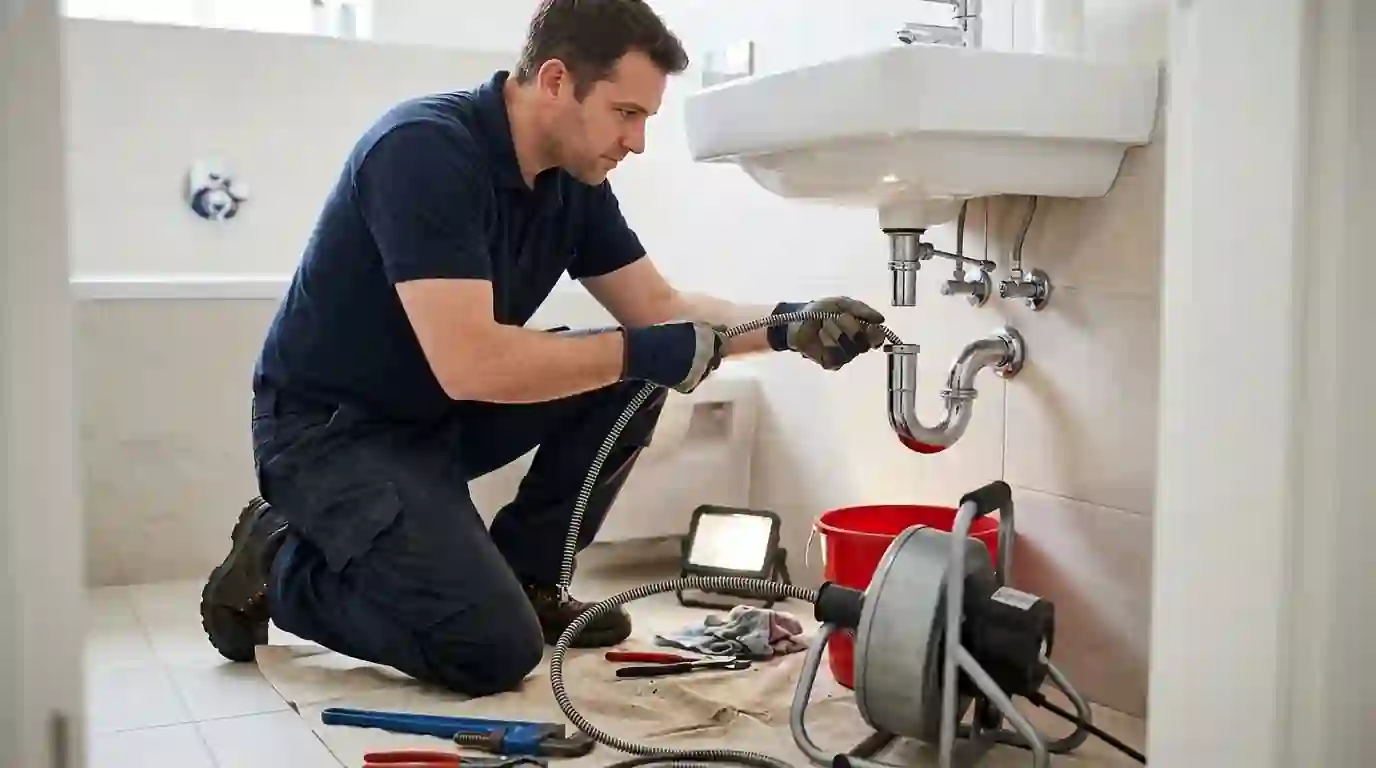
Tell us what you see and hear. We explain the visit and the likely cost on the phone. (651) 215-2087
The short answer
Drain cleaning clears clogs in kitchen sinks, bathroom sinks, tubs, showers and laundry drains, the branch lines that carry water to the main stack. You need it when one fixture drains slowly or not at all. We find where the clog sits, clear it with the right size cable or tool, and test the flow. Typical Saint Paul drain cleaning runs $167 to $389 per line.
When drain cleaning cannot wait
One fixture drains slowly
A single slow sink or tub almost always means a clog in that branch line, not the main sewer.
Water backs up into the other sink
When running the kitchen sink fills the other bowl, the clog sits past the point where the two drains join.
Gurgling from the drain
Bubbling or gurgling as water goes down means air is being pushed past a partial blockage or a blocked vent.
Bad smell from a sink or tub
Odors come from grease, soap and hair rotting inside the trap and the first few feet of pipe.
Plunging works for a day
If a clog keeps coming back after plunging, the blockage is further down and needs a cable to clear fully.
Washer water backs up into a laundry sink
Lint and soap buildup in a laundry drain can overflow the standpipe or laundry tub during the spin cycle.
What's clogging your sink, tub or shower drain?
Each drain clogs for its own reasons. Kitchen sinks collect grease, coffee grounds, rice and pasta that cool and stick to the pipe walls. Bathroom sinks catch hair, toothpaste and soap scum. Tubs and showers are all about hair bound up with soap. Laundry drains fill with lint, especially from towels and fleece.
In older homes, the pipe itself adds to the problem. Galvanized steel drain lines in pre-war houses rust and roughen inside, so debris catches more easily and the opening shrinks over decades. Old cast iron develops scale. That's why a drain in a 1920s house can clog more often than the same fixture in a newer home, even with the same habits.
How we handle drain cleaning once we arrive
Locate the clog
We run nearby fixtures and check what backs up to figure out which line holds the blockage.
Pick the access point
We go in through the trap, an overflow, or a cleanout, whichever reaches the clog most directly.
Clear with the right cable
We run a drain cable sized for the pipe through the full length of the clog.
Clean the trap
While the trap is apart, we clean it out and check the slip nuts and washers for leaks.
Flush and test
We run hot water for several minutes and watch that the drain empties fully and quickly.
Explain what we found
We tell you what caused the clog and whether the line shows signs of a deeper problem.
What drain cleaning costs in Saint Paul
These are typical Saint Paul ranges for clearing branch drains. Your price is confirmed after we see the drain and before we start.
| Job | Typical range |
|---|---|
| Bathroom sink or tub drain clearingHand cable through the trap or overflow | $167 to $283 |
| Kitchen sink drain clearingMachine cable for longer lines and grease | $197 to $389 |
| Laundry or utility sink drain clearingLint and soap buildup in standpipes and tubs | $187 to $327 |
| Each additional drain on the same visitLower rate when we're already set up | $87 to $163 |
What moves the price
- Which drain is clogged and how far the clog sits from the access point
- Whether a cleanout is available or the trap must come apart
- Pipe material and condition, especially old galvanized and cast iron
- Grease or scale buildup that needs a heavier cutting head
- After-hours or weekend timing
Typical Saint Paul ranges. We confirm your price after we see the job and before work starts. See every price on one page.
How we clear a branch drain the right way
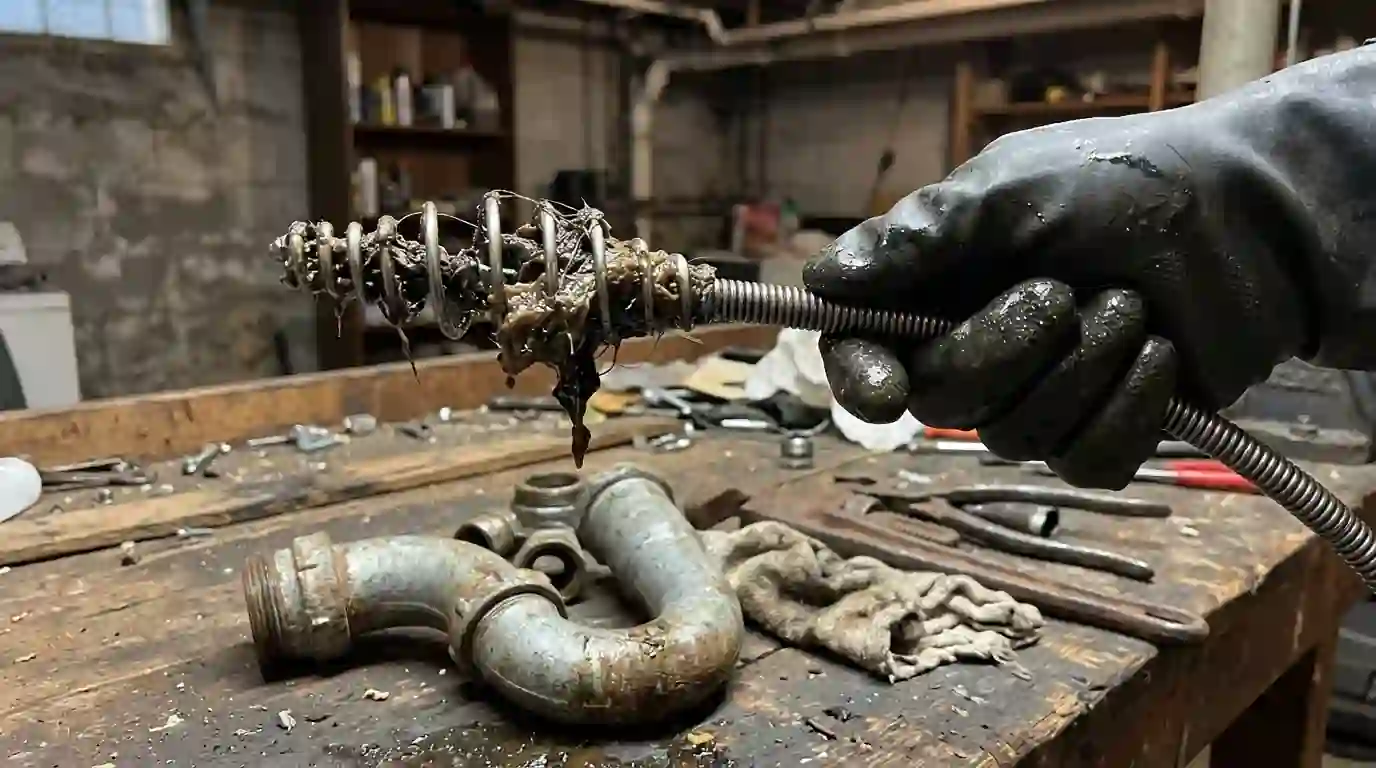
We start by figuring out where the clog is. Running water in nearby fixtures and checking which drains back up tells us whether the blockage is in the trap, the branch line, or further down where branches join. That determines where we go in and which tool we use.
For most sink and tub clogs, we pull the trap or go in through a cleanout and run a drain cable sized for that pipe. A small cable for a bathroom sink, a larger one for kitchen lines that run long distances to the stack. We use cutting heads for grease and hair, and we run the cable through the full length of the blockage, not just enough to punch a hole in it.
When the clog is cleared, we run hot water through the line for several minutes to flush out loose debris and confirm the flow is full, not just better.
- Small hand cable for bathroom sinks and tubs
- Larger machine cable for long kitchen lines
- Cutting heads matched to grease, hair or scale
- Trap and tailpiece cleaning while it's apart
- Hot water flush test after clearing
Why we skip chemical drain cleaners
Store bought drain cleaners rarely clear a real clog. They burn a small path through it if you're lucky, and the rest stays put. Worse, the harsh chemicals can sit in the trap, damaging older metal pipes and rubber seals, and they splash back on anyone who works on the drain later. If you've used one already, tell us when you call so we can protect ourselves.
For upkeep, a drain screen in the tub and bathroom sink catches most hair. Scraping greasy plates into the trash instead of the sink keeps kitchen lines clear. And running hot water for a minute after using the kitchen sink helps move grease along before it cools and sticks.
When a clogged drain points to a bigger problem
If more than one fixture backs up at once, or water comes up in the basement floor drain or lowest tub when you run the washer or flush a toilet, the problem isn't a branch line. It's the main sewer line, and that's a different job with a larger machine.
A drain that clogs again within weeks of cleaning is also a sign. It might have a sag, a broken section of pipe, or heavy scale that a cable can only partly remove. In those cases, we may suggest a camera inspection to see inside the line, or hydro jetting to scour the walls clean. We'll explain why before suggesting either.
Drain clogs in Saint Paul's older houses
Kitchen and bathroom drains in pre-war Saint Paul homes often still have original galvanized steel branch lines running to a cast iron stack. Over decades, the inside of galvanized pipe corrodes and narrows, so a drain that once flowed freely starts catching grease and hair. We see this a lot in Frogtown, Dayton's Bluff and Macalester-Groveland, where many kitchens have been updated but the drains behind the walls haven't.
Out in the east metro suburbs, hard water leaves scale in drains and traps, and soap reacts with minerals to create sticky buildup in tubs and showers. Homes in Woodbury, Maplewood and Cottage Grove with softeners see less of it. Whatever the cause, we'll tell you if the pipe itself is the real issue so you can plan ahead.
Where we do drain cleaning
Saint Paul and the surrounding east metro. These are the busiest ZIP codes on our board; the full list has 55 neighborhoods, cities and counties.
Questions about drain cleaning
How do I know if my Saint Paul home has a drain clog or a main sewer problem?
If only one sink, tub or shower is slow, it's usually a branch drain clog. If several fixtures back up together, or water rises in the basement floor drain when you flush or run the washer, the main sewer line is likely blocked. Tell us which fixtures are affected when you call so we bring the right equipment.
How often should kitchen drains be cleaned in an older house?
Most kitchen drains only need cleaning when they slow down. If yours clogs more than once or twice a year, the line may be narrowed by old galvanized pipe or heavy grease. We can clear it and tell you whether a scheduled cleaning, hydro jetting or a short section of new pipe would solve it longer term.
Is it safe to use a plunger on a clogged sink or tub?
Yes, a plunger is a safe first step for sinks and tubs. Block the overflow opening with a wet rag so the pressure goes toward the clog. Don't plunge if you've just poured chemical drain cleaner in, because it can splash. If plunging doesn't work or the clog returns quickly, call us.
Why does my bathroom sink drain smell even after cleaning?
Odor can come from buildup in the pop up drain assembly and overflow channel, not just the trap. It can also mean the vent isn't working, so the trap loses its water seal. We clean the full assembly and check the vent if the smell keeps coming back.
Brands we work on in Saint Paul homes
- Kohler
- Moen
- Delta
- American Standard
- Rheem
- A. O. Smith
- Bradford White
- Navien
- Rinnai
- InSinkErator
- Zoeller
- Liberty Pumps
- Watts
- Weil-McLain
Call the Saint Paul office, day or night
A real person picks up at any hour. Tell us what you are seeing, and we will tell you what happens next and roughly what it costs.
(651) 215-2087- Phone
- Answered 24 hours a day, 7 days a week
- Office
- 289 E 7th Street, Saint Paul, MN 55101
- Headquarters
- 50666 229th Ave, Bemidji, MN 56601
- Coverage
- Saint Paul and the east metro, see all areas