A lot of homeowners in Woodbury, Cottage Grove and other east metro suburbs live with hard water. They see white crust on faucets, spots on glasses, a ring in the toilet bowl and a water heater that rumbles sooner than it should. Many of them also wonder about taste and smell. The problem is that "get a water treatment system" covers equipment that does very different jobs.
A water softener removes hardness minerals. A filter removes things like chlorine taste, sediment or specific contaminants. Some homes need one, some need the other, and some benefit from both. This guide explains what each one does, how to test your water, and how to decide what fits your house before you spend a dollar.
The short version
- Softeners remove hardness minerals; filters remove taste, smell and contaminants.
- Woodbury, Cottage Grove and other east metro suburbs often have notably hard water.
- Check your city's water quality report or test at the tap before choosing equipment.
- Iron above small amounts needs a dedicated filter ahead of the softener.
- A softener plus an under-sink RO system is a common pairing for hard water homes.
What hard water actually is
Hard water carries dissolved calcium and magnesium picked up as groundwater moves through rock and soil. It's safe to drink, but those minerals come out of solution when water is heated or evaporates. That's the white scale you see on showerheads, inside kettles and on the elements of electric water heaters. Over years, it narrows pipes and wears out valves.
Water hardness varies a lot around the metro. Many suburbs that pump their own groundwater from deep wells, including Woodbury and Cottage Grove, have notably hard water. Saint Paul Regional Water Services treats its supply, and many Saint Paul homes have softer water than those suburbs do. Your water utility's annual quality report lists hardness, usually in grains per gallon.
Signs your house has a hardness problem
Hardness shows up as buildup. Faucet aerators clog with white grit. Shower glass gets cloudy no matter how often you scrub it. Soap and shampoo don't lather well, and laundry comes out stiff. Dishwashers leave a film on glasses. The water heater may start popping or rumbling as scale settles on the bottom of the tank.
Hardness doesn't cause bad taste or smell on its own. If your water tastes like chlorine, smells like rotten eggs or looks cloudy or orange, a softener won't fix that. Those are filter problems, or in some cases signs of iron or a water heater issue that needs its own look.
- White crust on faucets, showerheads and the kettle
- Cloudy spots on glasses and shower doors
- Soap that won't lather well
- Stiff, dull laundry
- A water heater that rumbles or pops
What a water softener does, and what it doesn't
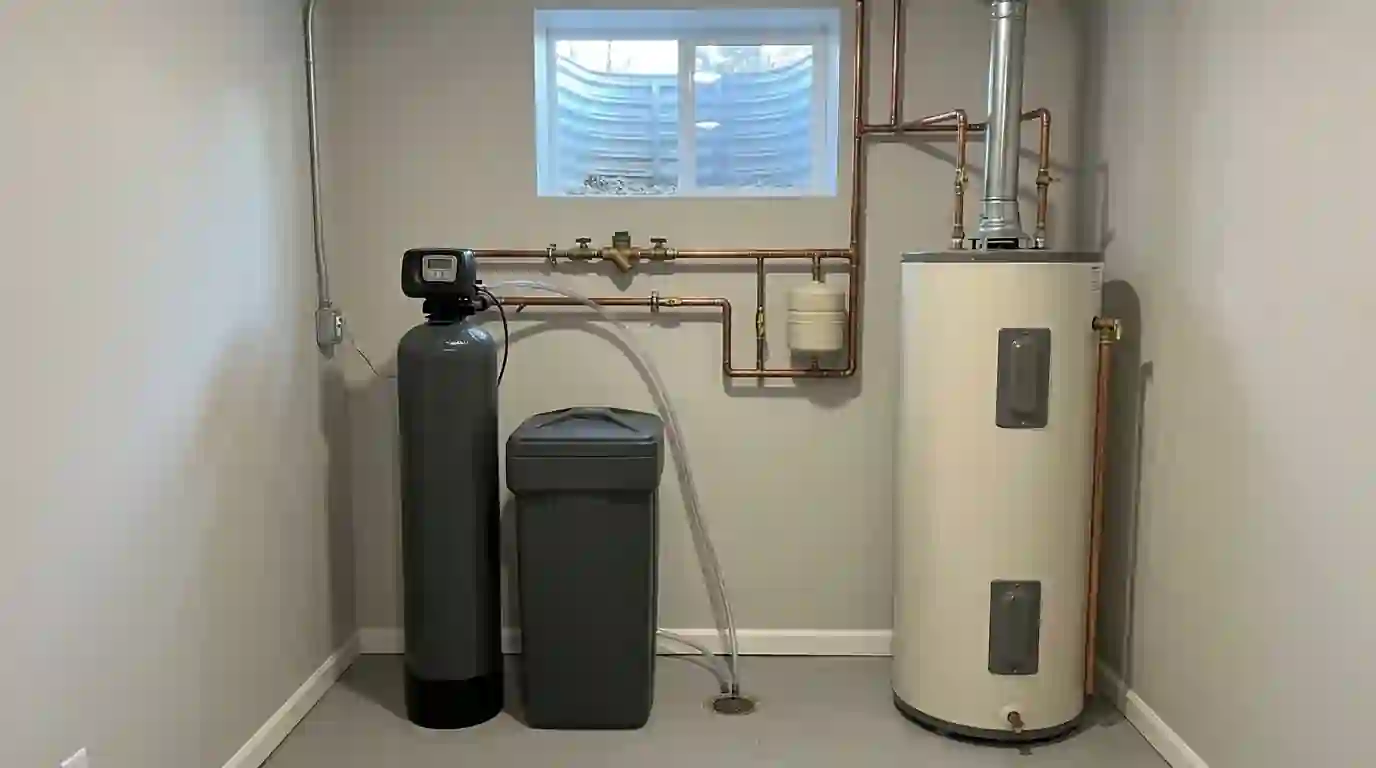
A water softener swaps calcium and magnesium for sodium or potassium as water passes through a tank of resin beads. Every so often, the softener rinses the resin with brine from a salt tank. The result is water that leaves no scale, lathers easily, and is gentler on water heaters, dishwashers and fixtures.
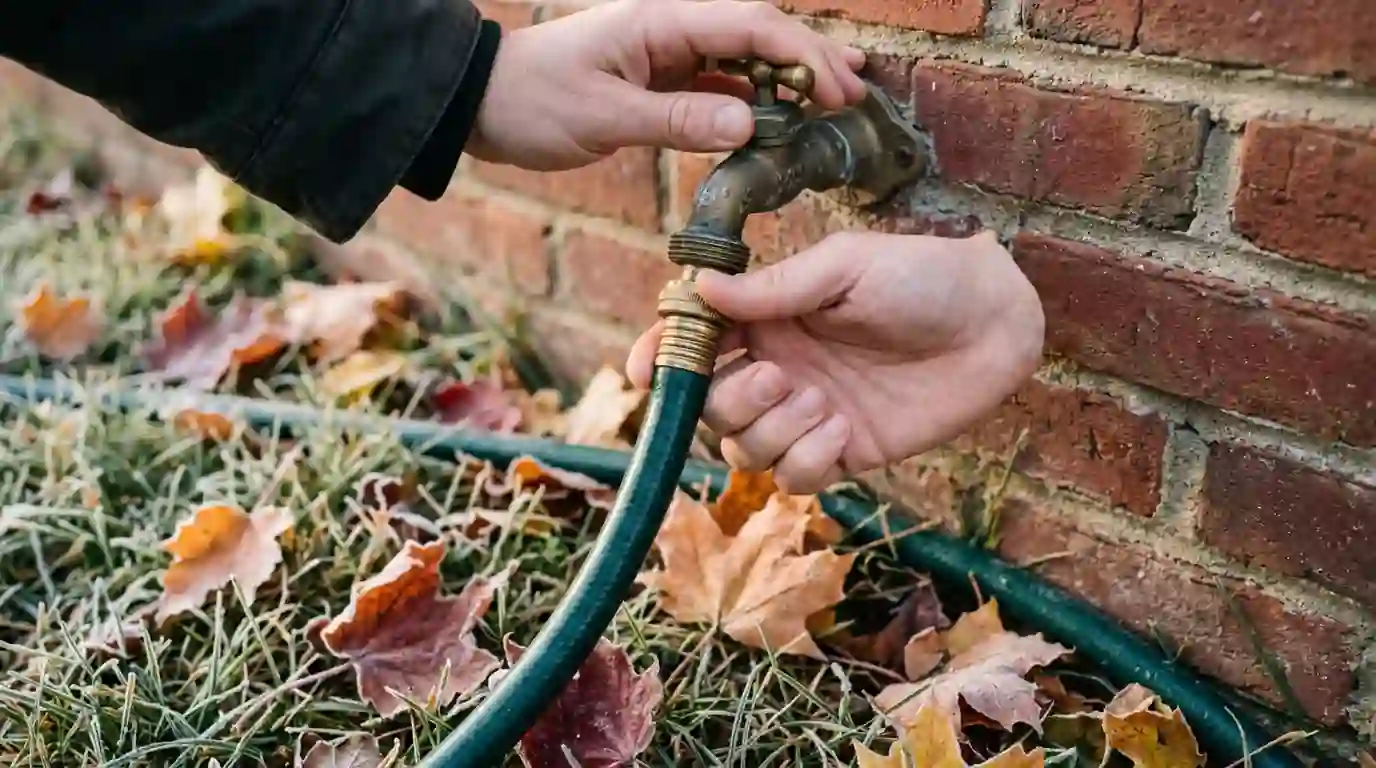
A softener doesn't remove chlorine, lead, bacteria or most other contaminants. It isn't a drinking water filter. Softened water carries a small amount of added sodium, so some people keep one cold tap in the kitchen unsoftened or add a drinking water filter there. Outdoor faucets are usually left on hard water, since softened water isn't great for lawns and gardens.
What filters handle that softeners can't
Filters work on different problems. A whole-house carbon filter reduces chlorine taste and smell at every tap. A sediment filter catches sand and grit, which helps in homes with older service lines or after water main work. An under-sink reverse osmosis system gives very clean drinking water at the kitchen tap and reduces a wide range of dissolved substances, including lead when it's rated for it.
Iron is its own case. Some east metro wells carry iron that stains sinks and laundry orange. A softener can handle small amounts, but higher levels call for a dedicated iron filter ahead of the softener. Testing tells you which situation you're in.
- Whole-house carbon: chlorine taste and smell
- Sediment filter: sand, grit and cloudiness
- Under-sink reverse osmosis: drinking water quality
- Iron filter: orange stains and metallic taste
- Lead rated filter: older homes waiting on lead line replacement
How to test your water before you buy anything
Start with your city's annual water quality report. It lists hardness and the main things the utility tests for. If you're on a private well, which some homes on the edges of the east metro are, a test from an accredited water lab tells you much more. Inexpensive hardness test strips from a hardware store are useful for a quick check at the kitchen tap.
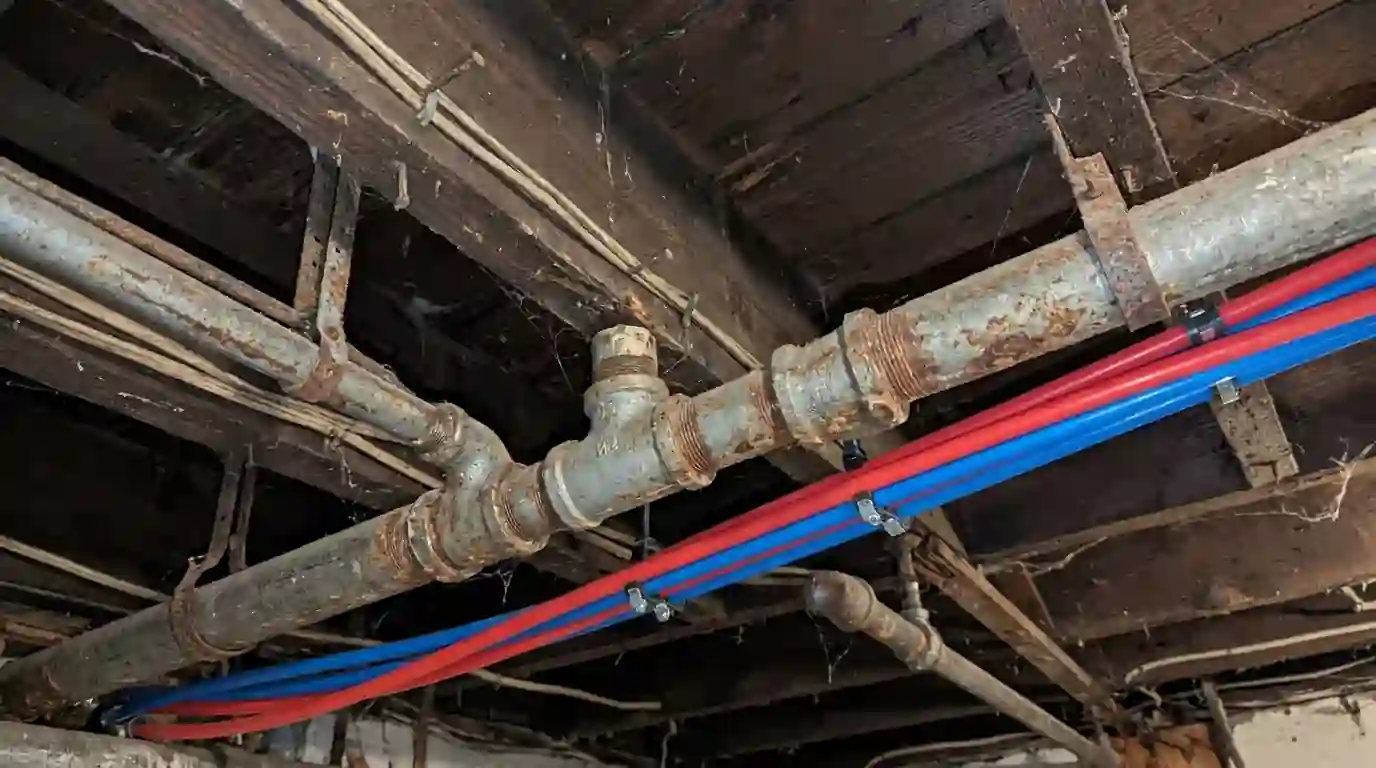
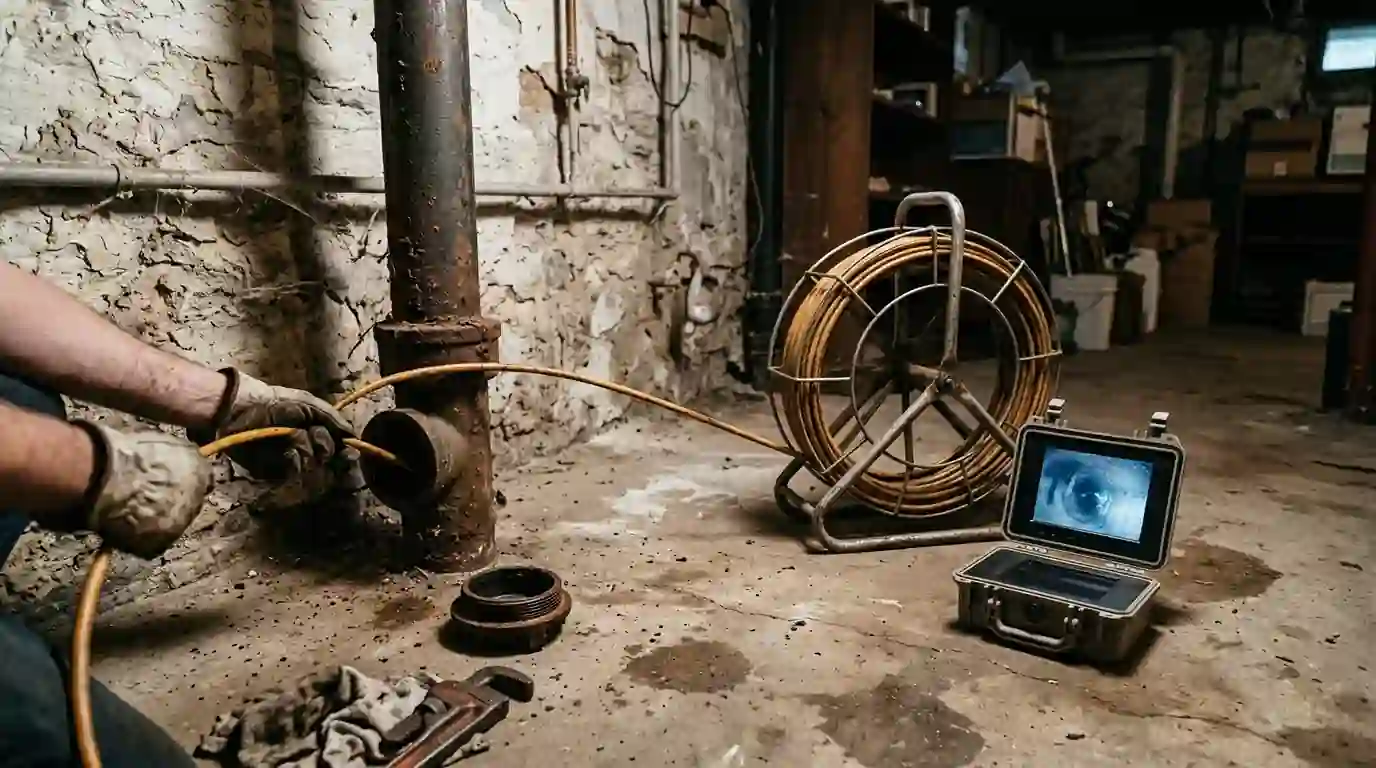
Look at your plumbing too. A water heater full of scale, aerators that clog every few months and white buildup on new fixtures all point to hardness. Rust stains point to iron. A taste you dislike points to a filter. When we visit, we test hardness at the tap and look at your fixtures and water heater before recommending anything.
When it makes sense to install both
Many east metro homes with hard water also want better tasting drinking water. In that case, a softener for the whole house plus an under-sink reverse osmosis system at the kitchen sink is a common pairing. The softener protects your pipes and appliances, and the RO system handles the drinking water. Softened water also helps RO membranes last longer.
Typical Saint Paul area ranges run about $1,290 to $2,870 for a softener installed and $437 to $963 for an under-sink RO system. A whole-house carbon system runs about $987 to $2,190. What moves the price: system size, your water hardness and iron levels, available space near the main line, drain and power access, and bypass valves for outdoor taps. Call (651) 215-2087 to talk through your water.
Need a hand with this? Call (651) 215-2087. The line is answered 24/7.